


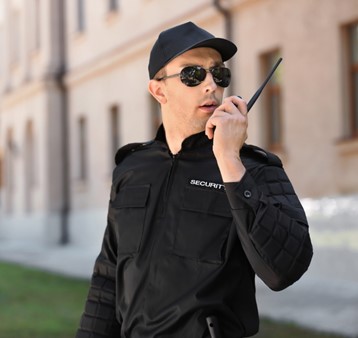
We’ve seen them trailing celebrities and the rich and famous. There have been movies about them as well.
Bodyguards are an enigma, a deterrent against attack, but they have other duties that expand far beyond what you see in the dark suit and sunglasses.
As well as close protection they undertake duties such as overall threat assessment, route planning, emergency response and more. It is a much more diverse and exciting career than you would first imagine.
What do you need to do to become a bodyguard? What are the skills and talents required to provide personal protection for someone? In essence, what would you expect life to look like if you become a bodyguard? We will give you details on the types of bodyguard roles that exist, what the main differences between a bodyguard and a security guard are, and what your daily job might look like.
What is a Bodyguard?
A bodyguard is a trained professional in personal security and protection. They are often hired by high-profile individuals, celebrities or executives, people who feel they face an elevated risk to their personal safety due to their status or celebrity.
The main duty and mission of a bodyguard is the safety of this specific individual, sometimes being a visual presence, other times in the background ensuring the area is safe, the perimeter is safe, assessing the risk of a total situation.
What are the different Types of Bodyguard?
The role of a bodyguard can be many and varied depending on the situation or the person you are protecting. There are some niches you can specialise in, such as the following.
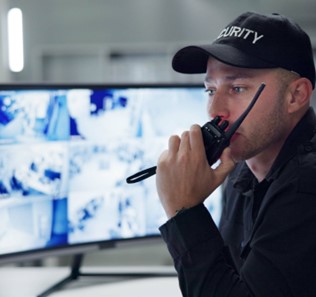
- Close Protection This is for safety during public appearances, travel and other everyday activities. They are a visible deterrent, keeping an eye on surroundings and ensuring no one gets too close to the client.
- Corporate and Executive High profile protection for corporate executives. Handles security at airports, conferences and high-level meetings and business engagements.
- Residential Bodyguards Offers around-the-clock security for a client’s home. Arranges access and security measures for the residences.
- Dignitary Protection High-level security for visiting royals, government officials and other foreign dignitaries during official events.
- Threat Assessment Can be a consultant, knowing the threats of a location, route or location. Gather intelligence and develop strategies to deal with any threat, including evacuation plans.
- Child Protection Agent This is a focus on the protection of children within high-profile families. Protection is provided at home and in public areas.
- Undercover Protection Agent All the skills and talents of a bodyguard but are discreet, blending into the background. Provides protection for clients while maintaining a low-profile presence.
What is the Difference Between a Bodyguard and a Security Guard?
A bodyguard is someone who is licensed to work as both a bodyguard and a security guard if need be. A bodyguard tends to have a singular client and would manage many facets of the security for that singular client. These would include situational analysis, reconnaissance of transport routes, close security and evacuation of clients if needed.
A security guard cannot be a bodyguard without specialised training. A security guard is a more general form of protection, often for locations or crowd control. While a security guard is concerned for the safety and wellbeing of people, they are not focused on individuals. They often patrol areas, do crowd control and similar tasks.
What Does a Bodyguard Do?
Once you have completed the training and education requirements, what is it you could be doing on a day-to-day basis? Guarding a person from threats, certainly, but what does that mean and what does that look like?
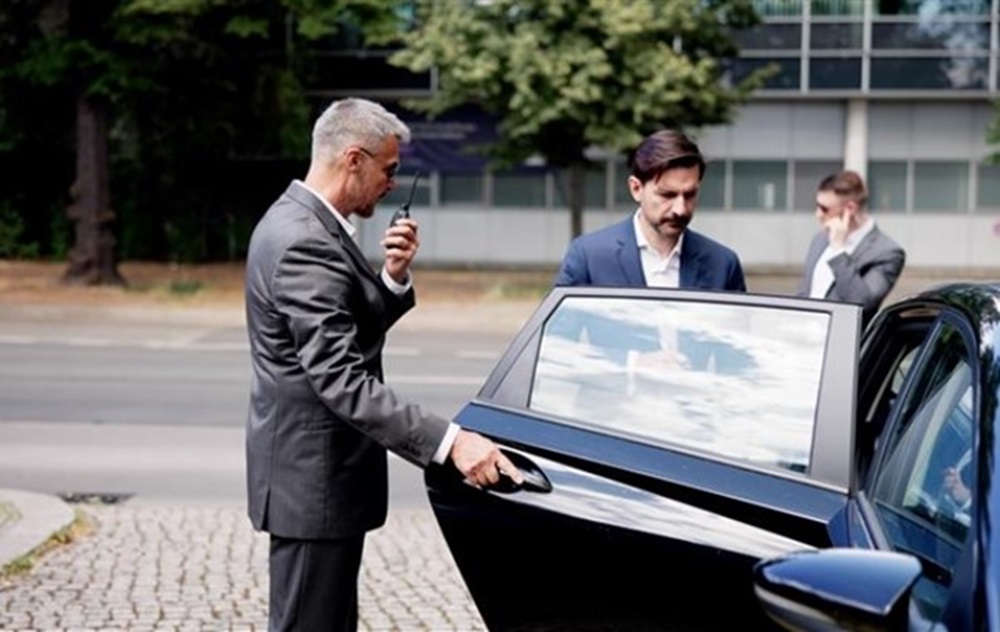
Here are some of the tasks you could be undertaking if you choose a career as a bodyguard.
- Escort and Transportation Coordinate travel between locations, ensuring safety at airports, hotels and other such transit locations. Can include scouting safe routes and actual driving of the client.
- Advanced Reconnaissance Arriving at a location before the client and scouting the area for security reasons. Knowing where the exits are, escape routes and other essential emergency information.
- Crowd Management For public appearances bodyguards can liaise with security and local law enforcement to understand where crowds will be, the size of them and how they can be controlled and managed.
- Event Security Coordinate with location hosts and local security to understand safety needs, and know the layout of a location for escape routes.
- Emergency Response Bodyguards are trained to respond in emergency situations, with first aid assistance, arrange for medical assistance or to evacuate the client to safety.
- High-Risk Security Detail Understand and handle situations that can be potentially very dangerous to clients. Protection for where threats are imminent due to legal issues or personal matters.
Other Factors on Being a Bodyguard.
In Australia bodyguards work under private contracts between them and the client. They are not under police authority. This means that they can use reasonable force to protect themselves and their client, but they cannot behave like they are police. They cannot assault or injure someone without grounds for defence.
Your job can involve long stretches of standing around and ‘doing nothing’. This is not true of course as you need to be hypervigilant and observe the area around you, the people around you, and take notice of any changes to the situation.
This idleness can switch dramatically to intense action and movement in the blink of an eye. You need to be able to assess the situation, develop a strategy, protect your client and keep them safe, all within seconds of something happening.
For some bodyguards there could be a lot of travel to exotic locations with very little notice. This does not mean you have a holiday on the Amalfi Coast. Your client may be relaxing but you will always be on alert for danger, you will always be working.
In Australia bodyguards are not permitted to carry a firearm. You must rely on your training, tactics, conflict resolution skills, and the security team around you, to de-escalate a situation.
It can be a high risk, high reward career for the right person.
How do you become a bodyguard?
There are some attributes you must have to become a bodyguard, and some courses you need to study.
The first course is a Certificate II in Security Operations. Many TAFE institutions offer this course face-to-face. You will learn First Aid skills, understand your legal requirements as a security guard and how to escort and secure valuable items.
You must be:
- 18 years of age and older.
- Be a fit and proper person.
- Submit to a Police Check and have no recorded convictions or disqualifying offences in the previous 10 years.
- You must have lived in Australia for at least the previous 12 months and still have 12 months left on your Visa.
- You need two written suitability references from people in a prescribed class attesting to your suitability to hold a security licence.
Once completed, you can apply for your Unarmed Security Guard Licence. This can be obtained from your state's Police Force.
There are a range of other security related courses you can study to enable you to do more varied work. These include the Certificate II in Security Operations (Unarmed Guard & Crowd Control & Control Room Operator), Certificate III in Security Operations (Armed Guard) and a Certificate IV in Security Management.
To become a bodyguard, you will need to study the Certificate III in Close Protection (Bodyguard). Completion of this particular course will allow you to apply to become a licensed private security advisor, a bodyguard.
As a bodyguard you will need some personal skills and qualities:
- High levels of physical fitness and combat training.
- Strong communication and coordination skills.
- A high degree of situational awareness and adaptability.
- A high degree of professionalism and discretion.
- Being able to keep calm under pressure.
It is fair to say that one day in the life of a bodyguard could be completely different to the next day, which is why you need training to handle any situation. It can be a rich and rewarding career, helping others and keeping people safe. You need to understand it can also be a dangerous career choice. People don’t hire a bodyguard unless they perceive there is an actual threat to their safety, and the bodyguard is the person who stands between the client and that threat.
If you’re interested in becoming a bodyguard, a great place to start your career would be as a security guard at YPG Risk. Learn the industry, get some experience under your belt, and then take your career to the next level. Contact us today to find out more.
 Previous
-

How to Choose the Right Security Guard Service Provider
Learn more
-
Common Mistakes to Avoid When Choosing a Security Company in Melbourne
Learn more
-
What Is the Role of Community Patrol Security in Deterring Crime?
Learn more
-
Why Mobile Patrols are a Cost-Effective Security Solution for Your Business
Learn more
-
Hiring the Right Security Team: 7 Essential Qualities to Look For
Learn more






Need security services in Melbourne? Contact us for an obligation free quote